Subway Hands
地铁手
Subway Hands is an experimental book project exploring touch, distance, and human behavior in Beijing's subway system.
《地铁手》是一项围绕北京地铁中的接触、距离与人类行为展开的实验性书籍设计项目。
The Observation ↓
Beijing's subway is a paradoxical space.
People stand extremely close to each other, yet rarely communicate.
Bodies touch, while emotions remain distant.
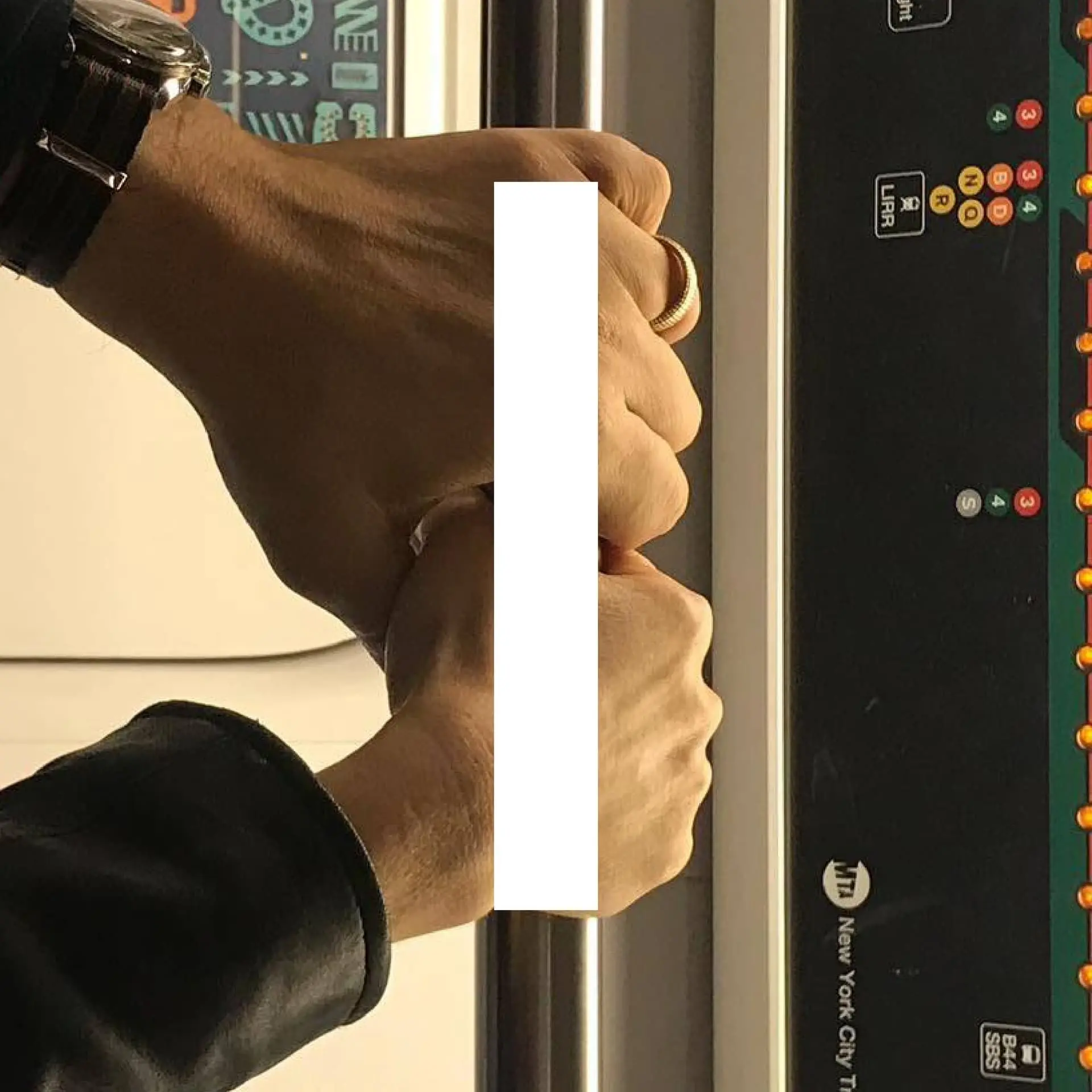
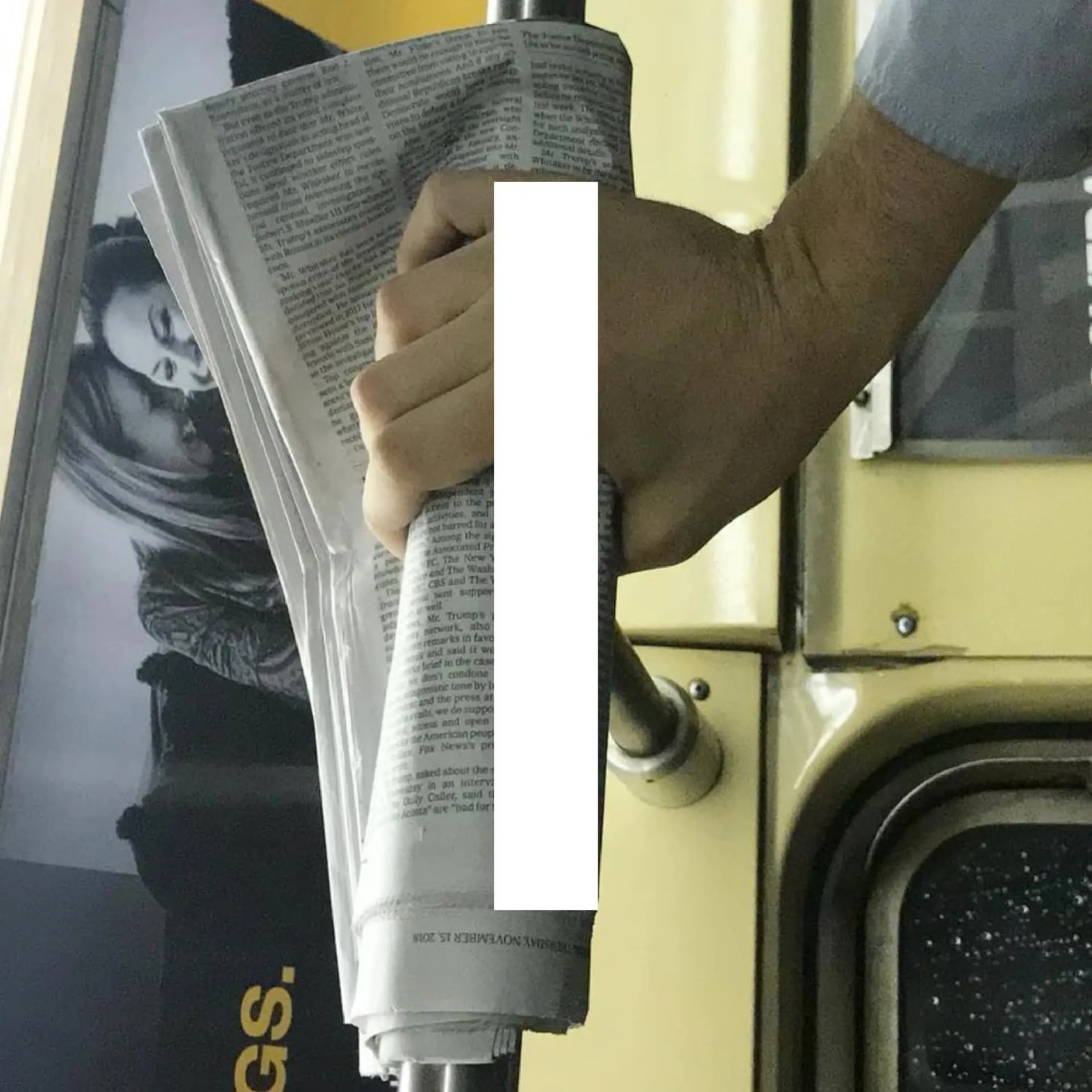
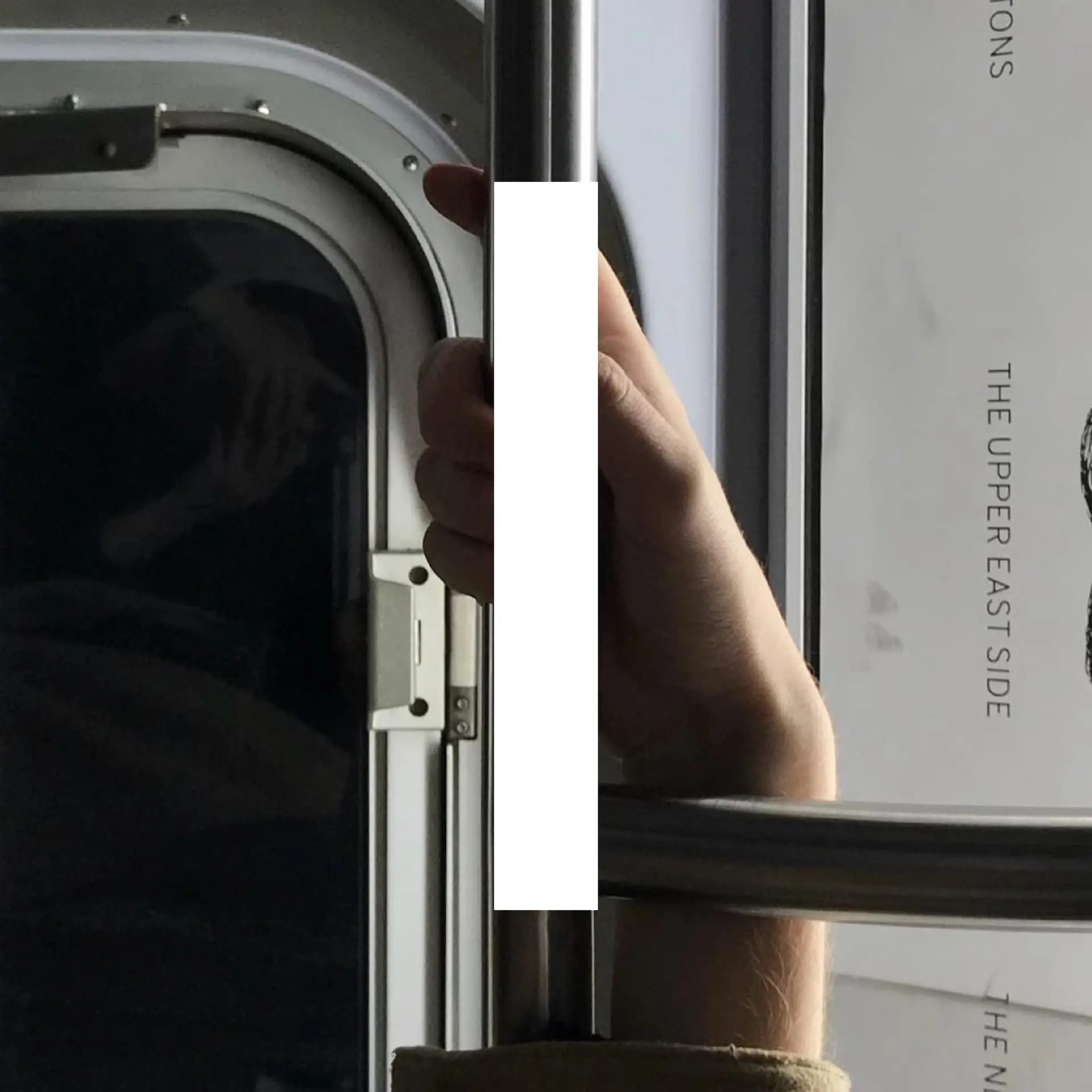
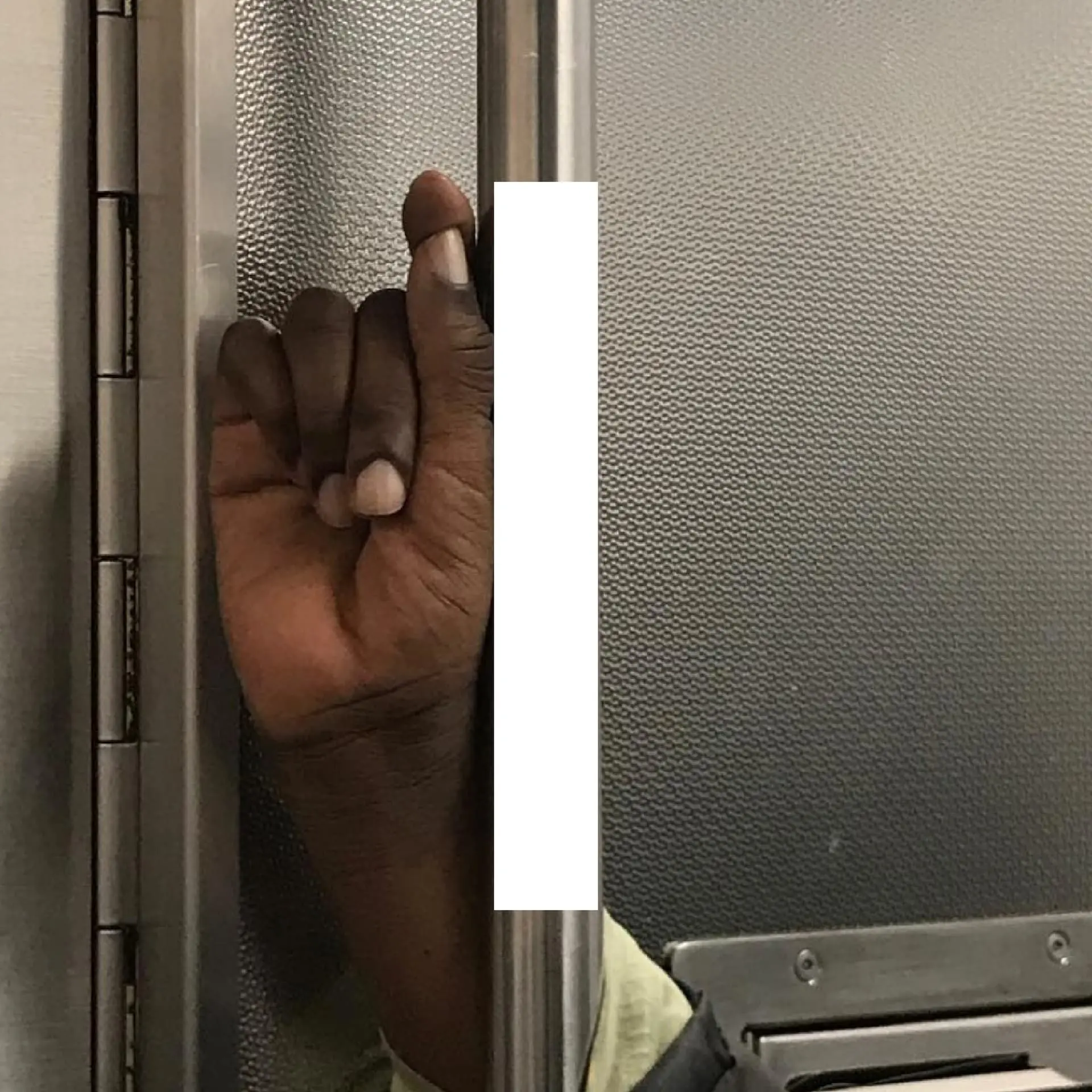
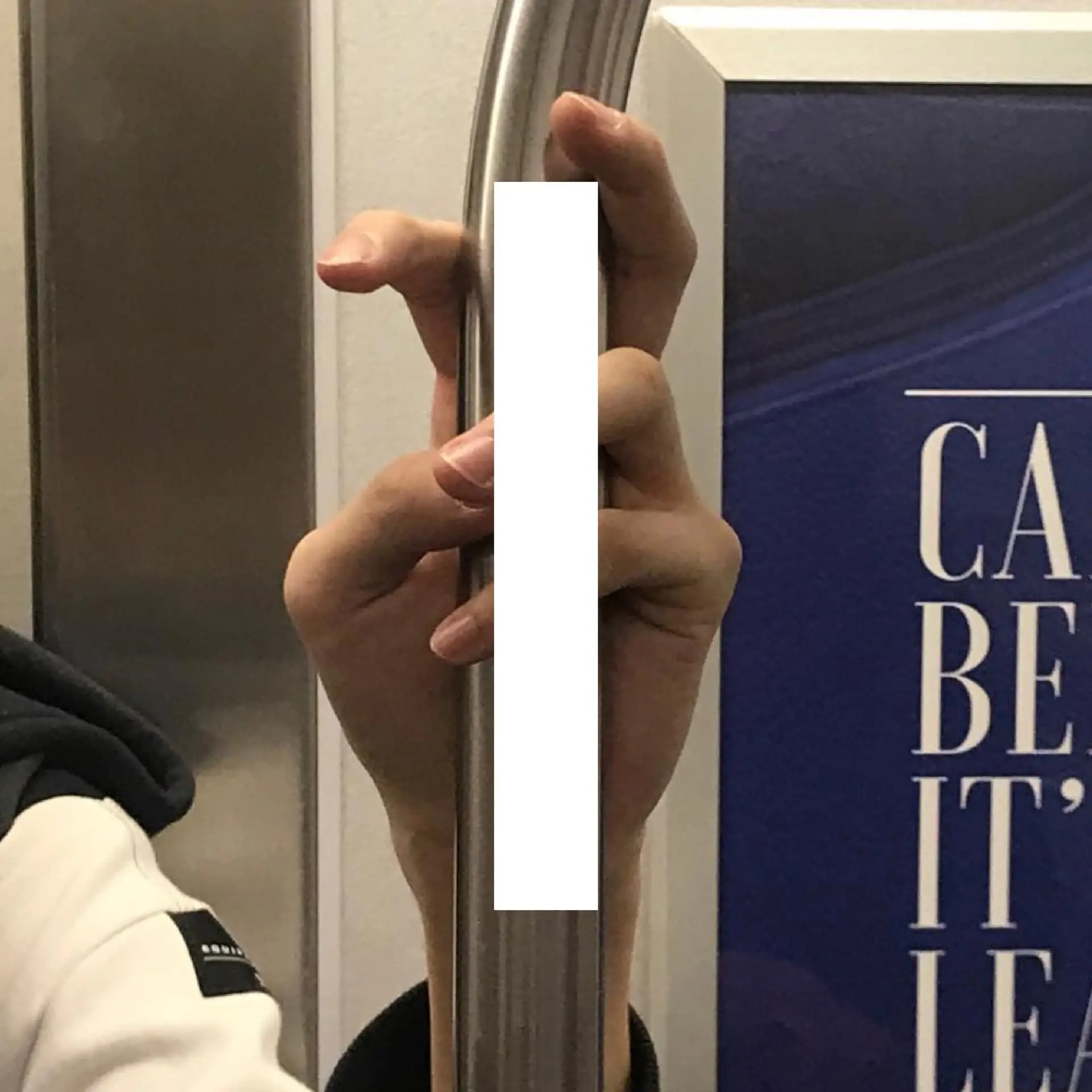
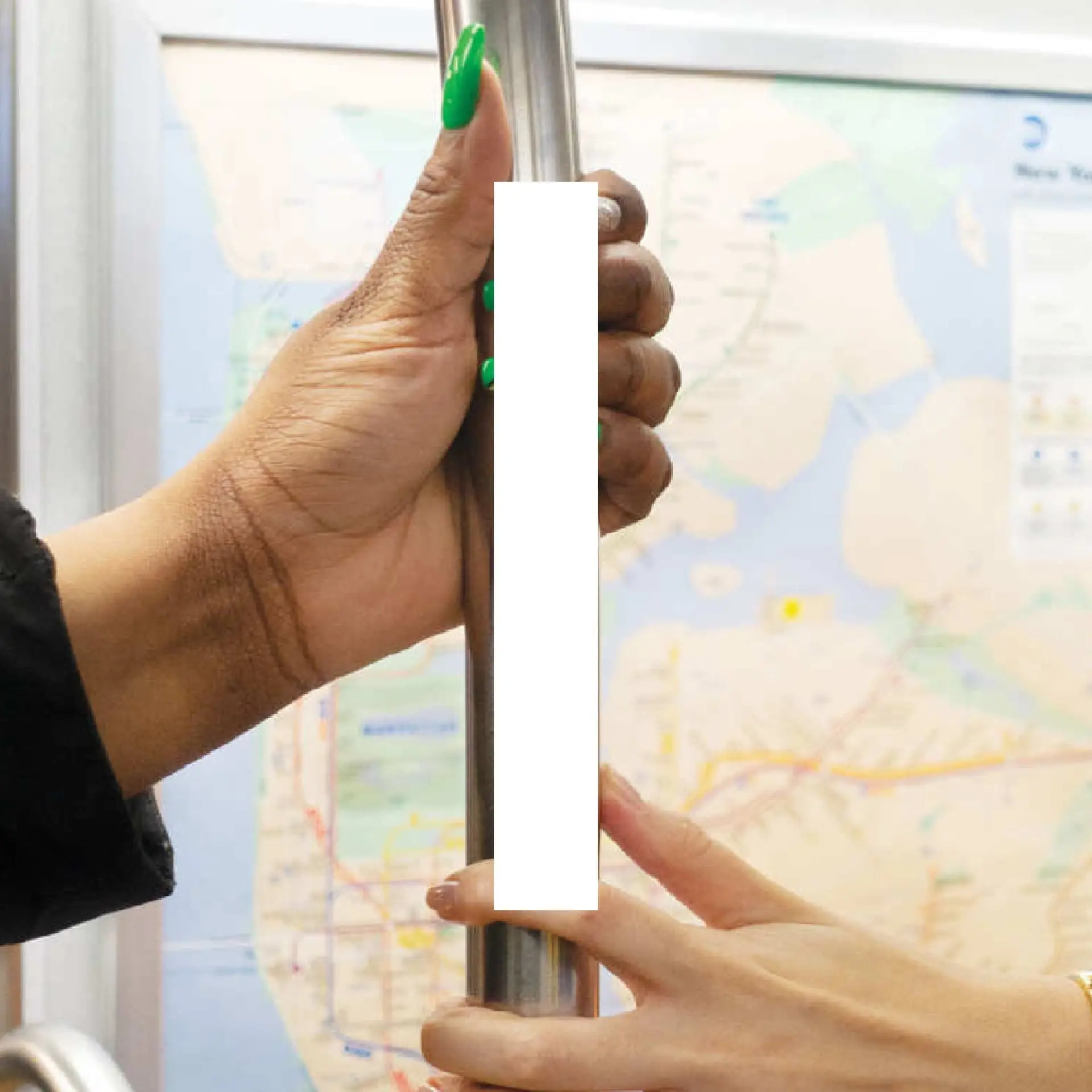
As someone who grew up in Beijing, I had spent years inside this environment without truly noticing it. During a book design course in 2019, an Instagram account (@subwayhands) that documents hands in the subway around the world, it prompted me to look more closely at my own daily commute.
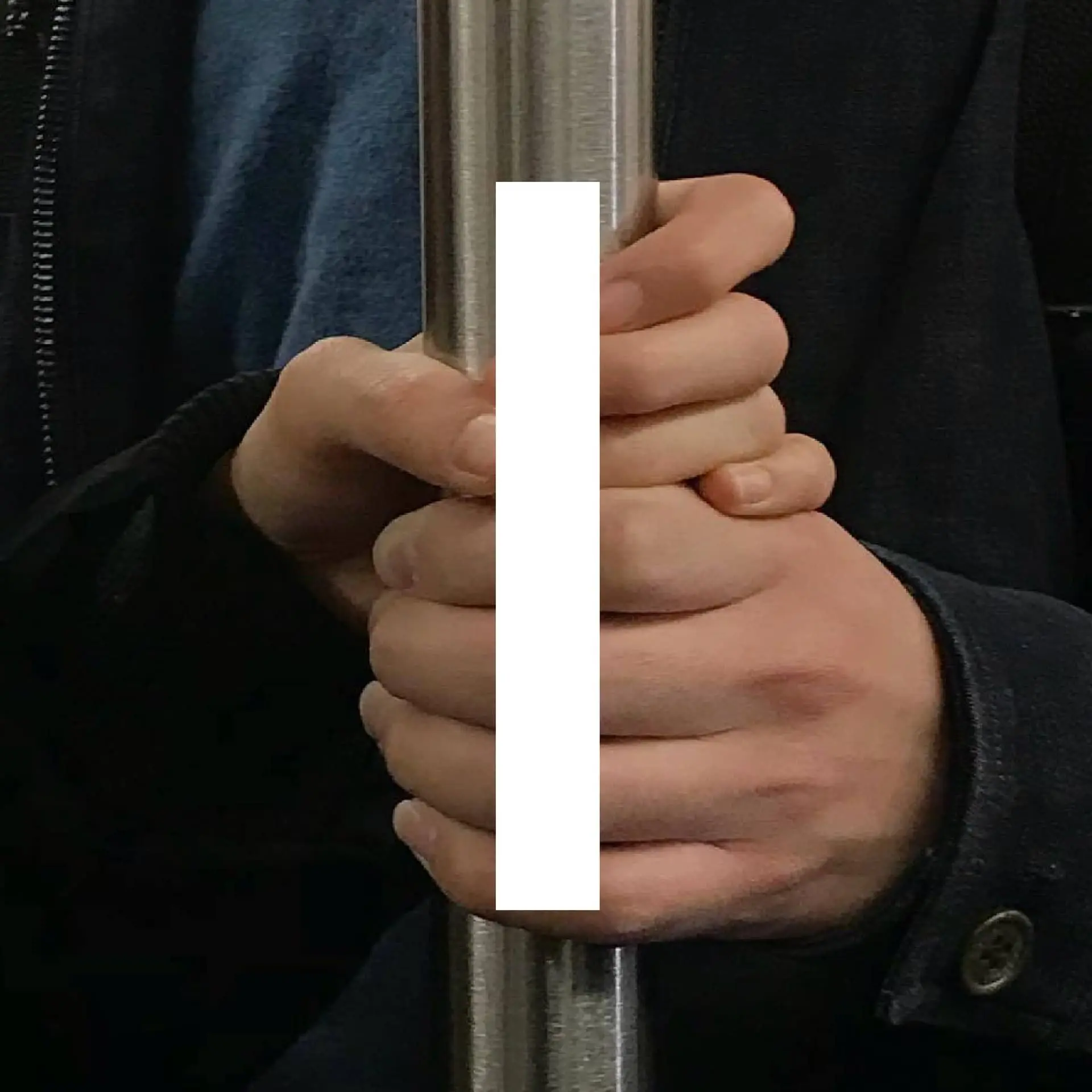
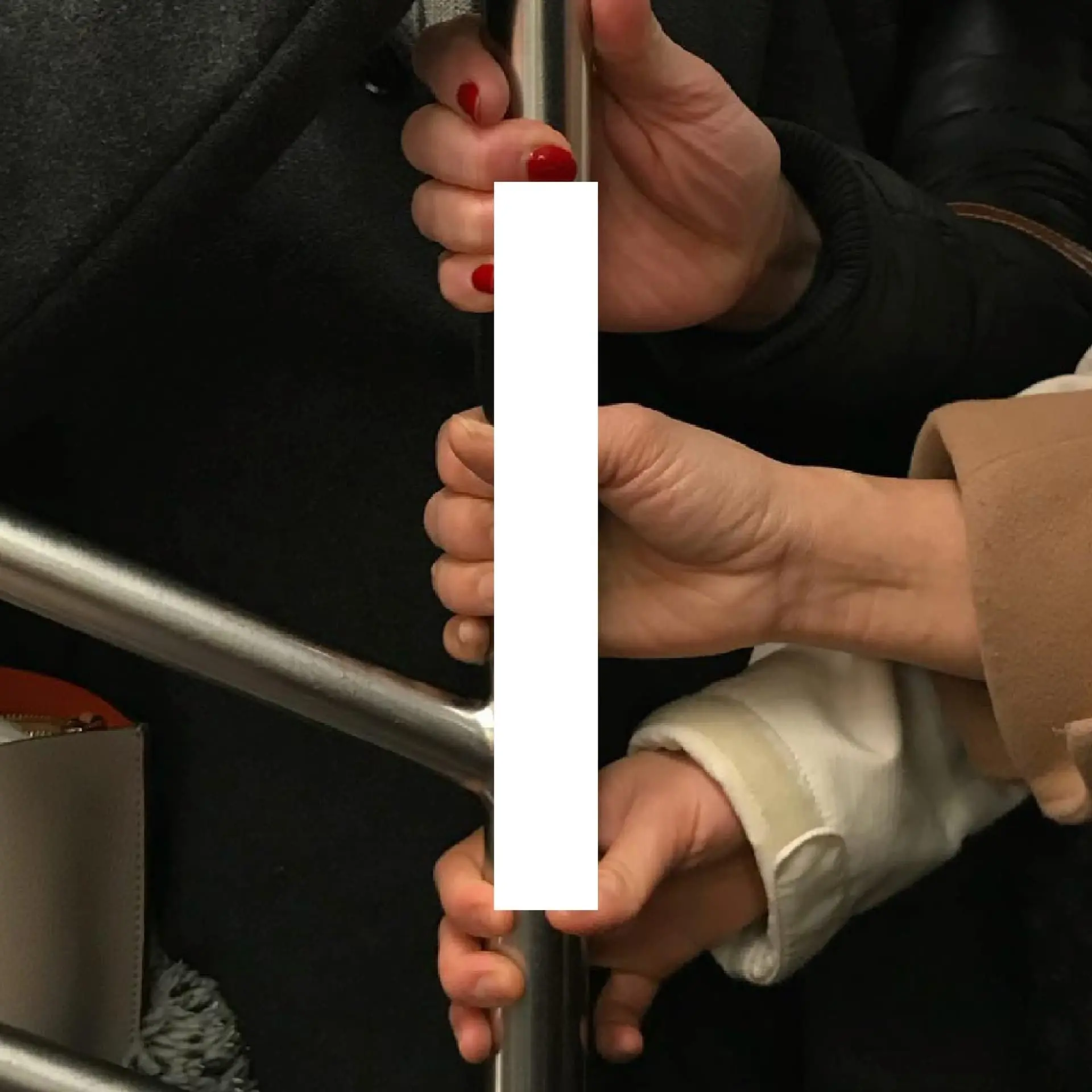
I started observing hands: hands holding poles, hands using phones, hands protecting personal space, and moments of contact that appear and disappear quickly.
These observations became the starting point for Subway Hands.
北京地铁是一个充满矛盾的空间。
人们紧密地站在一起,却几乎从不交流。
身体在接触,情感却保持着距离。
作为一个在北京长大的人,我在这个环境中度过了多年,却从未真正注意到它。2019年的一门书籍设计课上,一个记录世界各地地铁中手部的Instagram账号(@subwayhands)促使我开始更仔细地观察自己的日常通勤。
我开始观察手:握着扶手的手、刷手机的手、保护个人空间的手,以及那些转瞬即逝的接触瞬间。
这些观察成为了《地铁手》的起点。
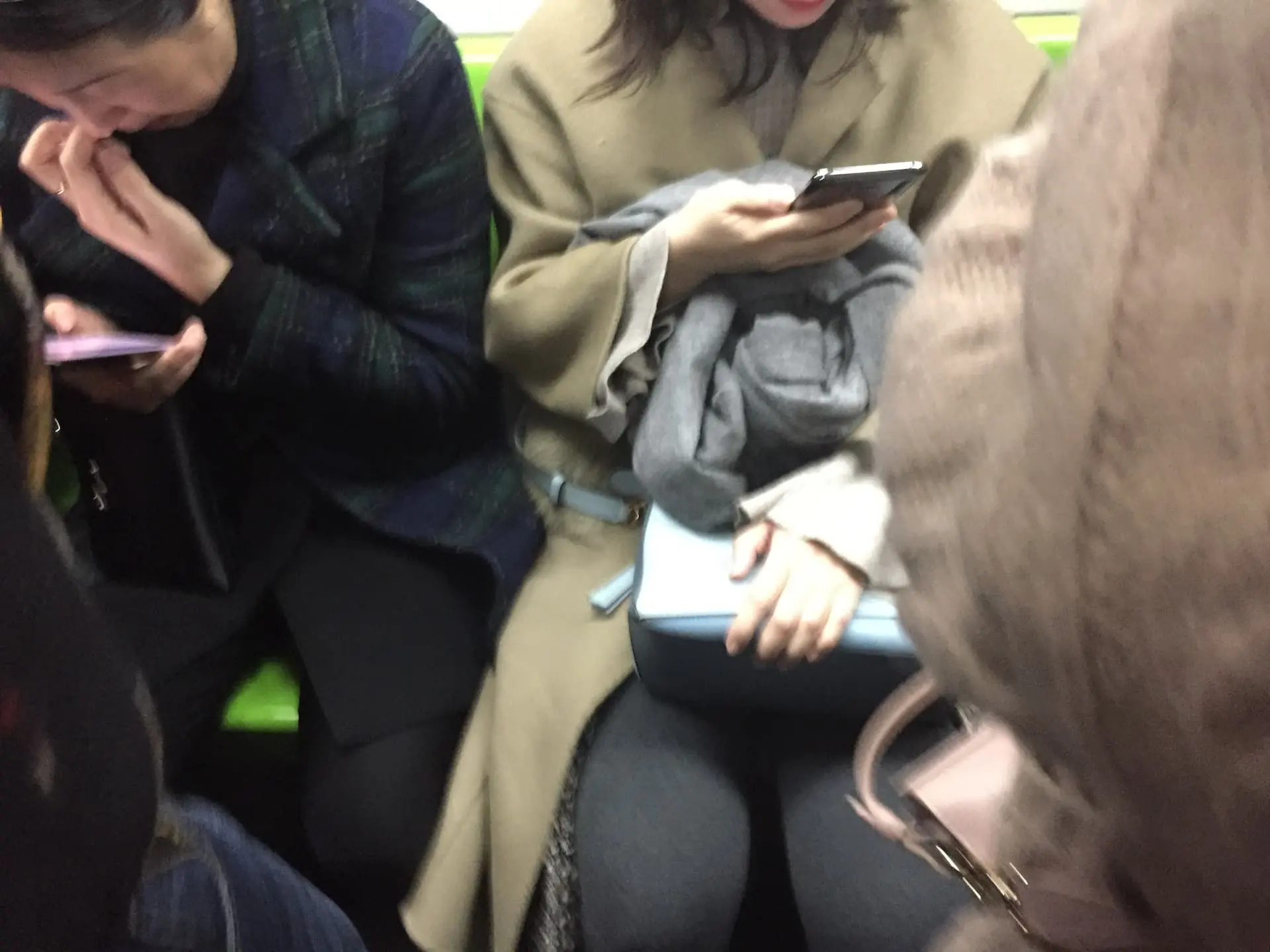
Photos taken on Beijing's subway
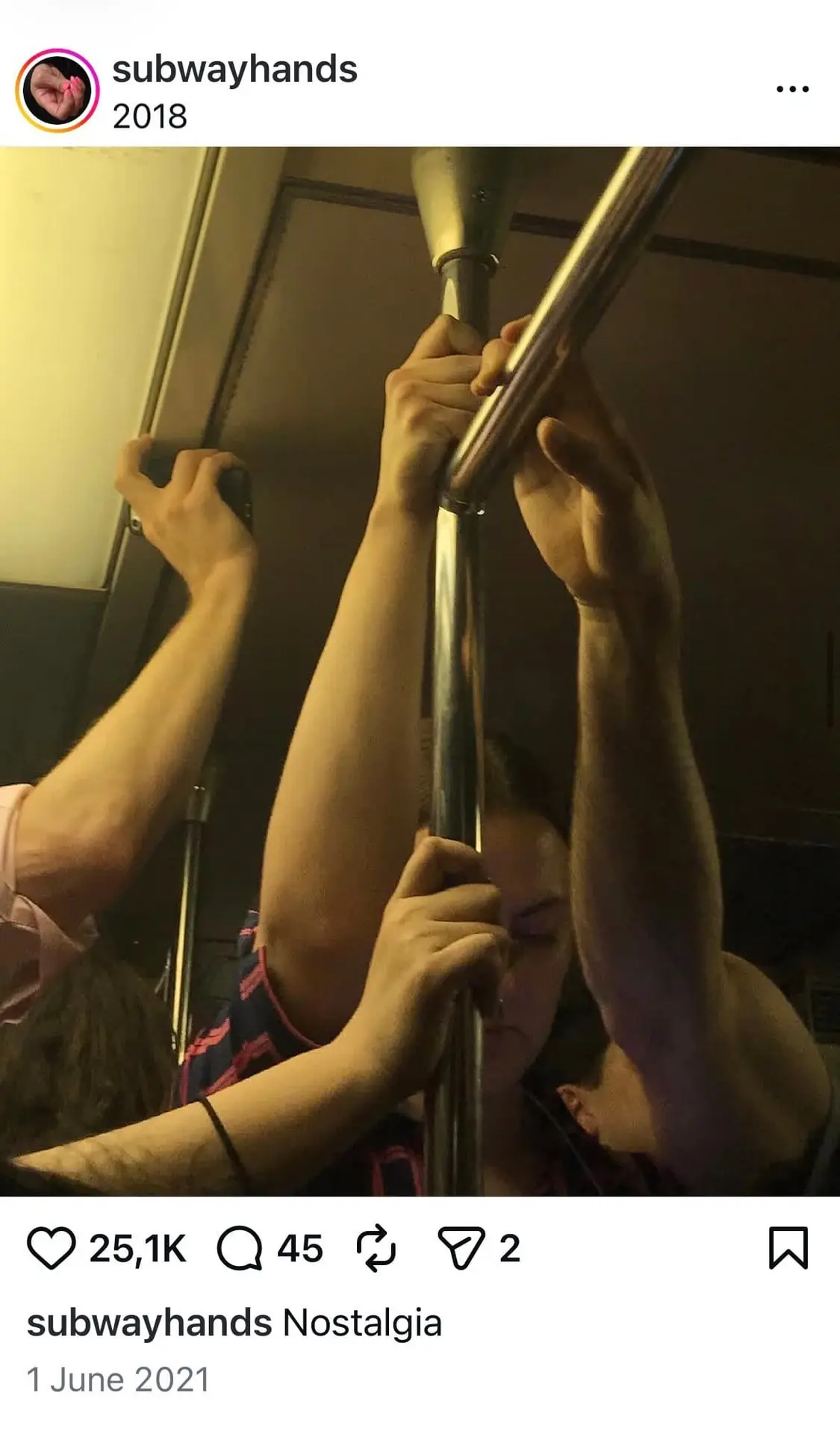
Post from @subwayhands on Instagram
Research Process ↓
Before designing the book, I documented my own subway journey and observed how people moved, waited, touched, avoided, and supported themselves in the space.
The research was small and personal, but it helped me understand the subway as a micro-social environment shaped by distance, pressure, rhythm, and unspoken rules.
What I was observing was not hands — it was the unspoken relationships between people.
在设计书籍之前,我记录了自己的地铁旅程,观察人们如何在空间中移动、等待、接触、回避和支撑自己。
这项研究虽小且私人,但它帮助我理解了地铁作为一个由距离、压力、节奏和潜规则塑造的微型社会环境。
我观察的不是手——观察的是人与人之间那些没有被说出来的关系。
Observation Diary ↓
Security Check
Platform
Inside the Carriage
Transfer
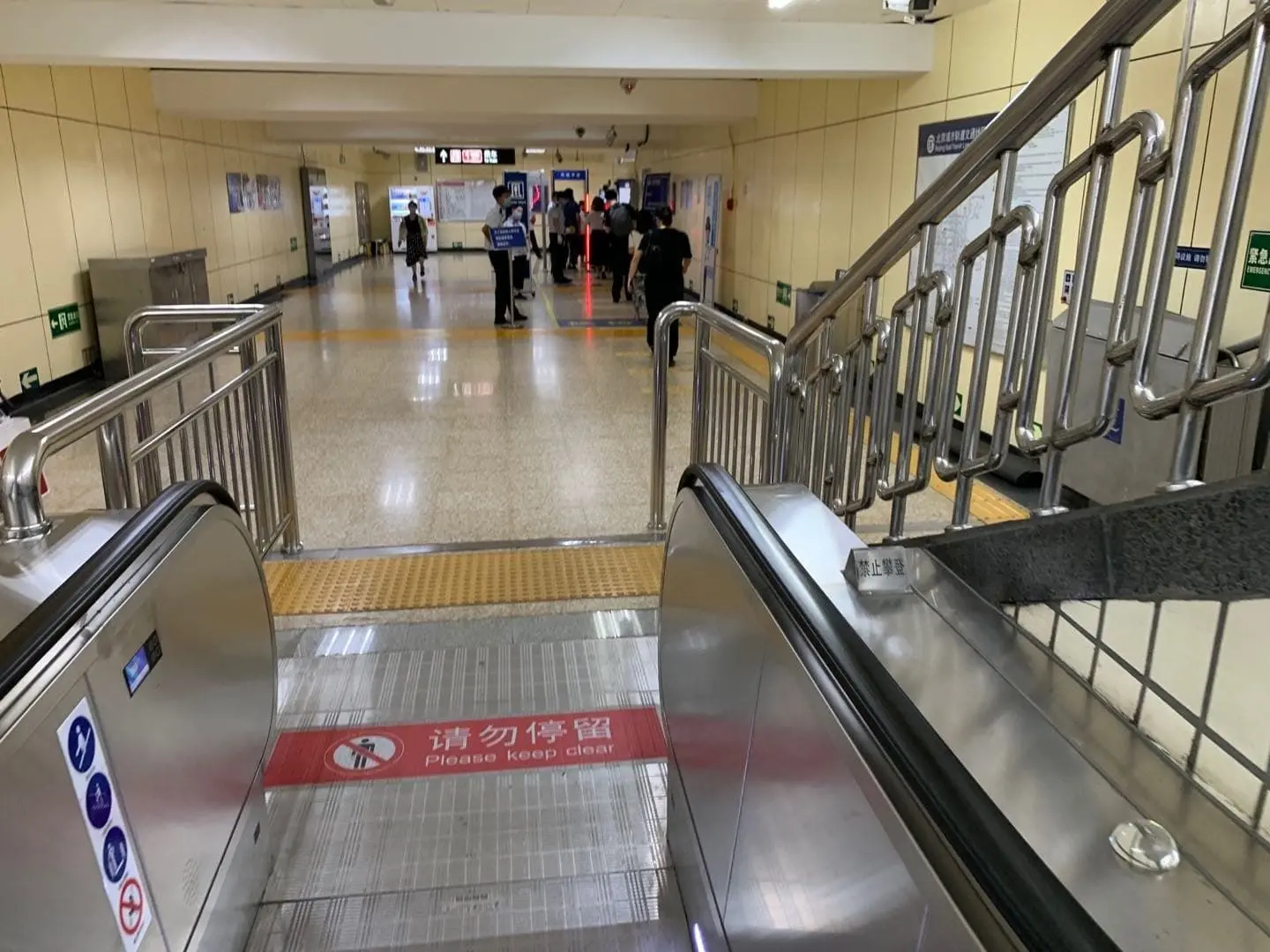
Walking towards the security check
Security Check / 安检
How did you feel going through security just now? Describe it in one sentence — for me, the security check is like…
刚刚通过的安检感觉怎么样呢?用一句话描述一下,安检对我来说就像…
Scary, being searched, waiting, hassle.
可怕、搜身、等候、麻烦。
From Touch to the Book ↓
Once the theme of "Subway Hands" was established, I began to ask:
How can a book express the feeling of contact?
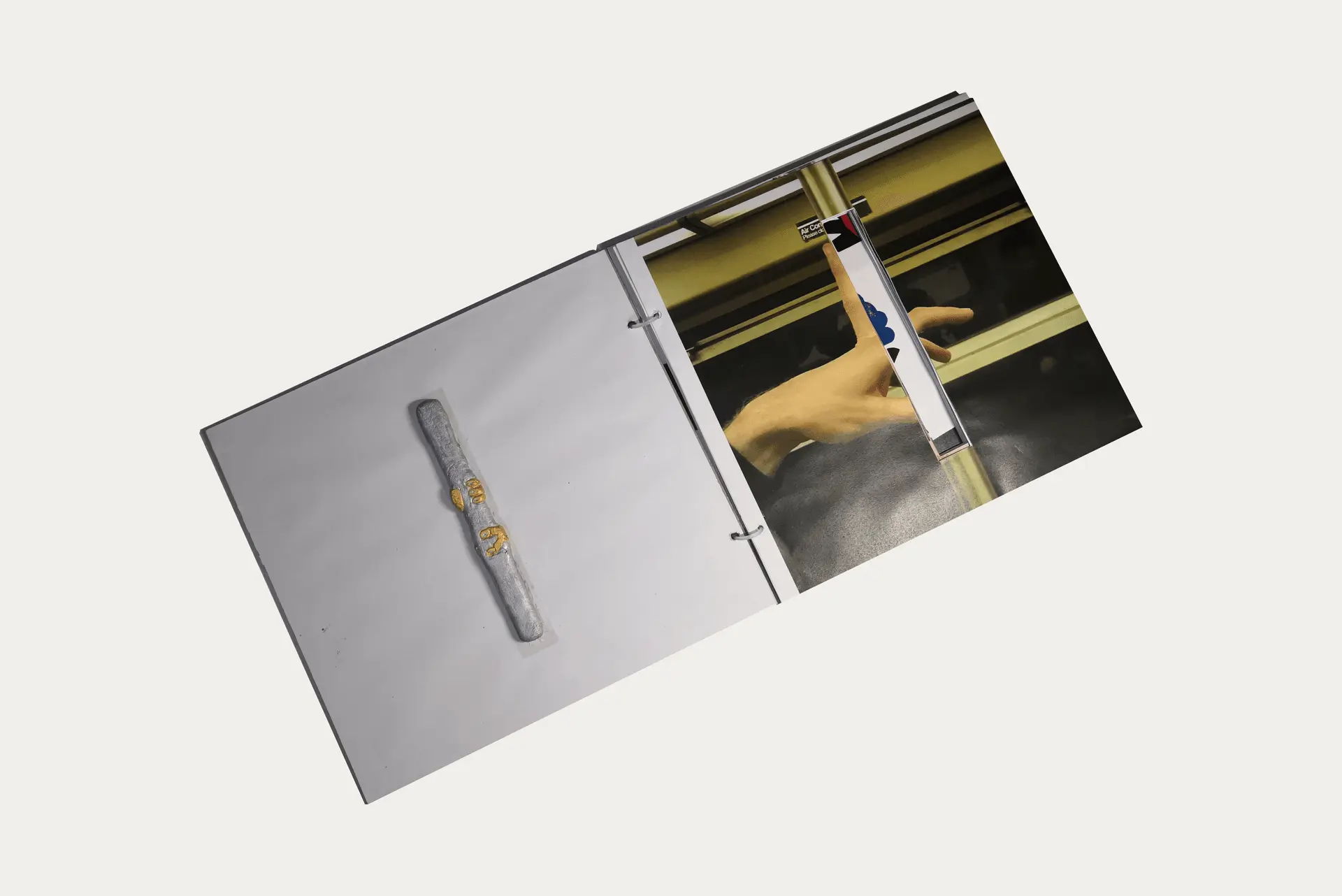
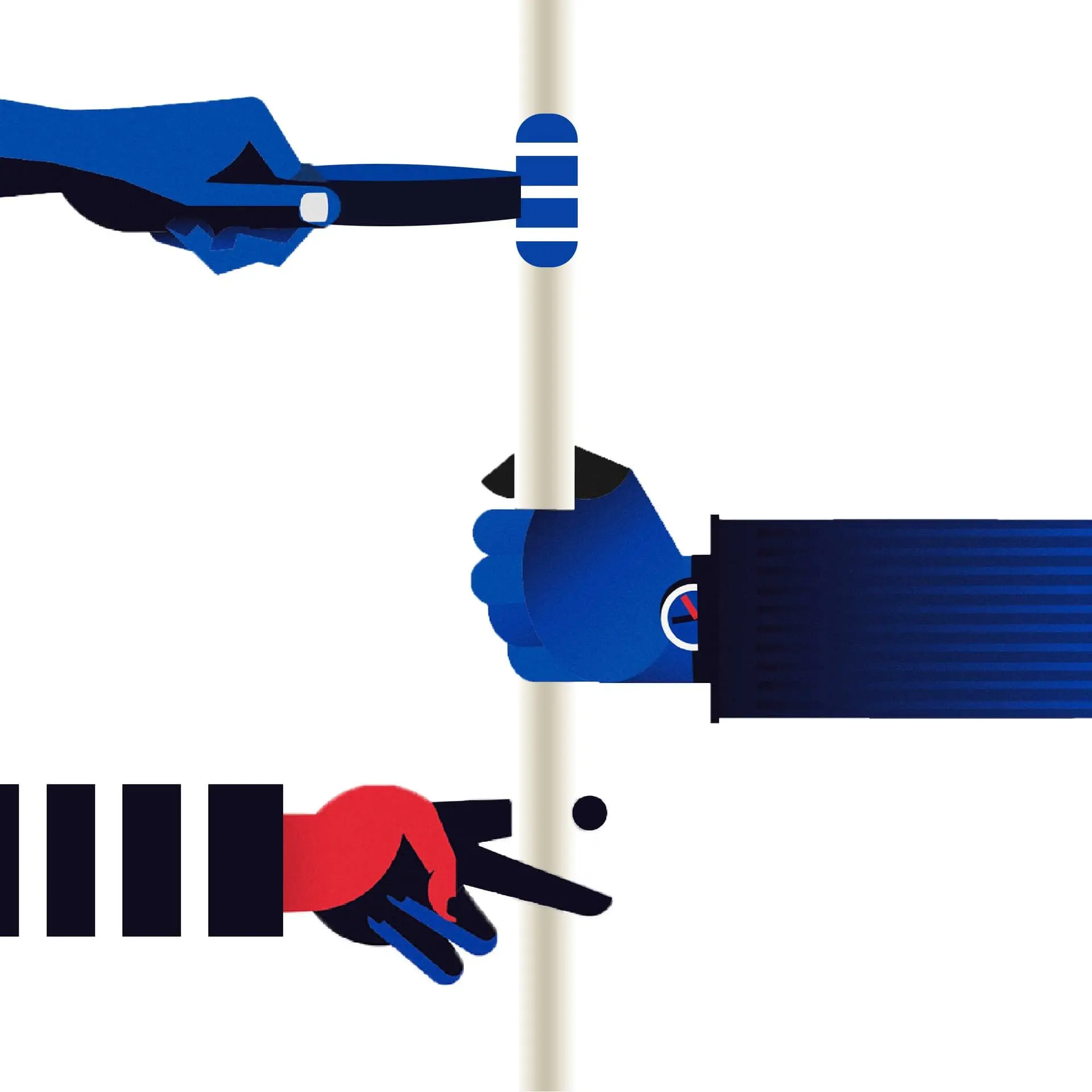
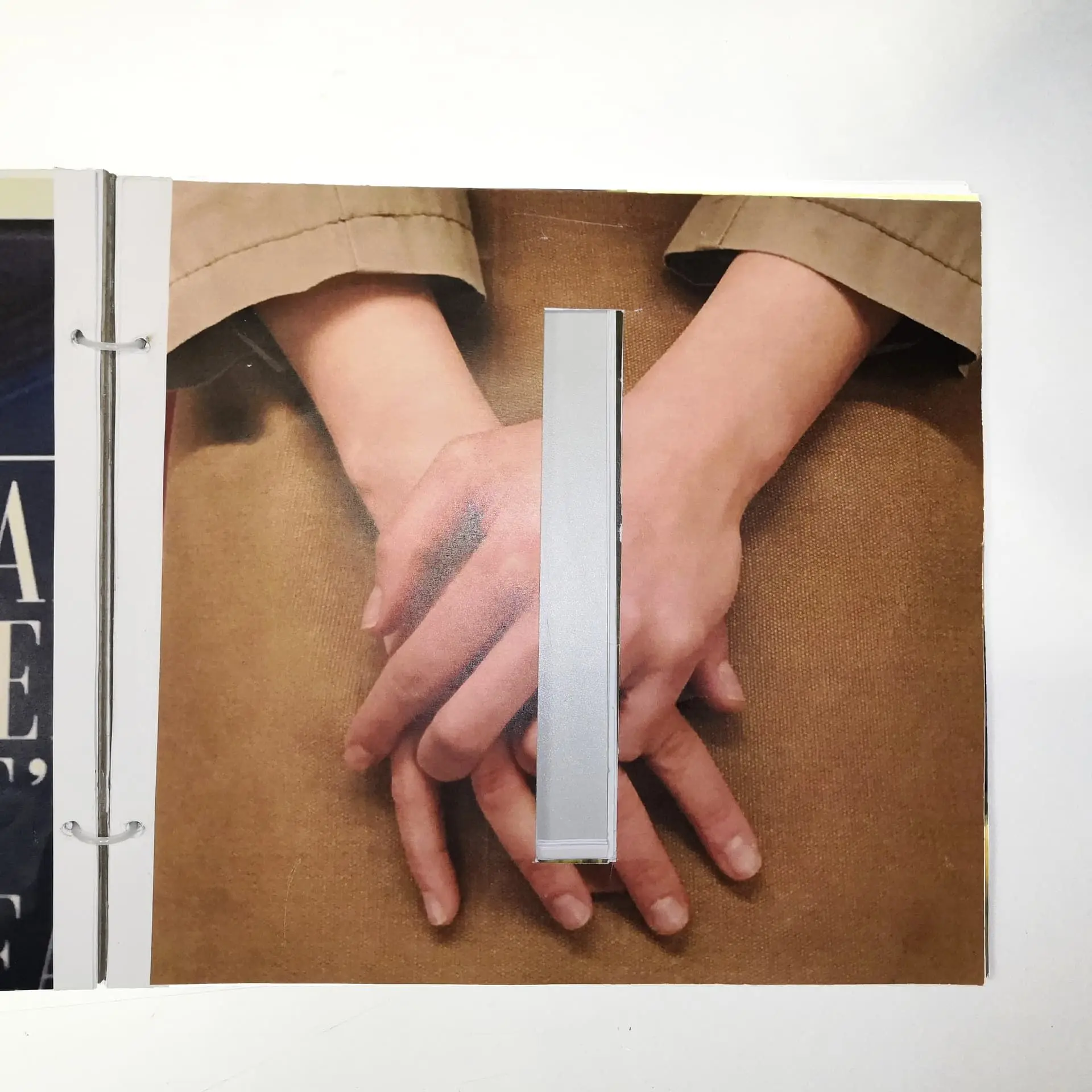
The subway pole became the key design element.
It is a shared object in the subway: a place where hands gather, bodies find support, and strangers indirectly connect.
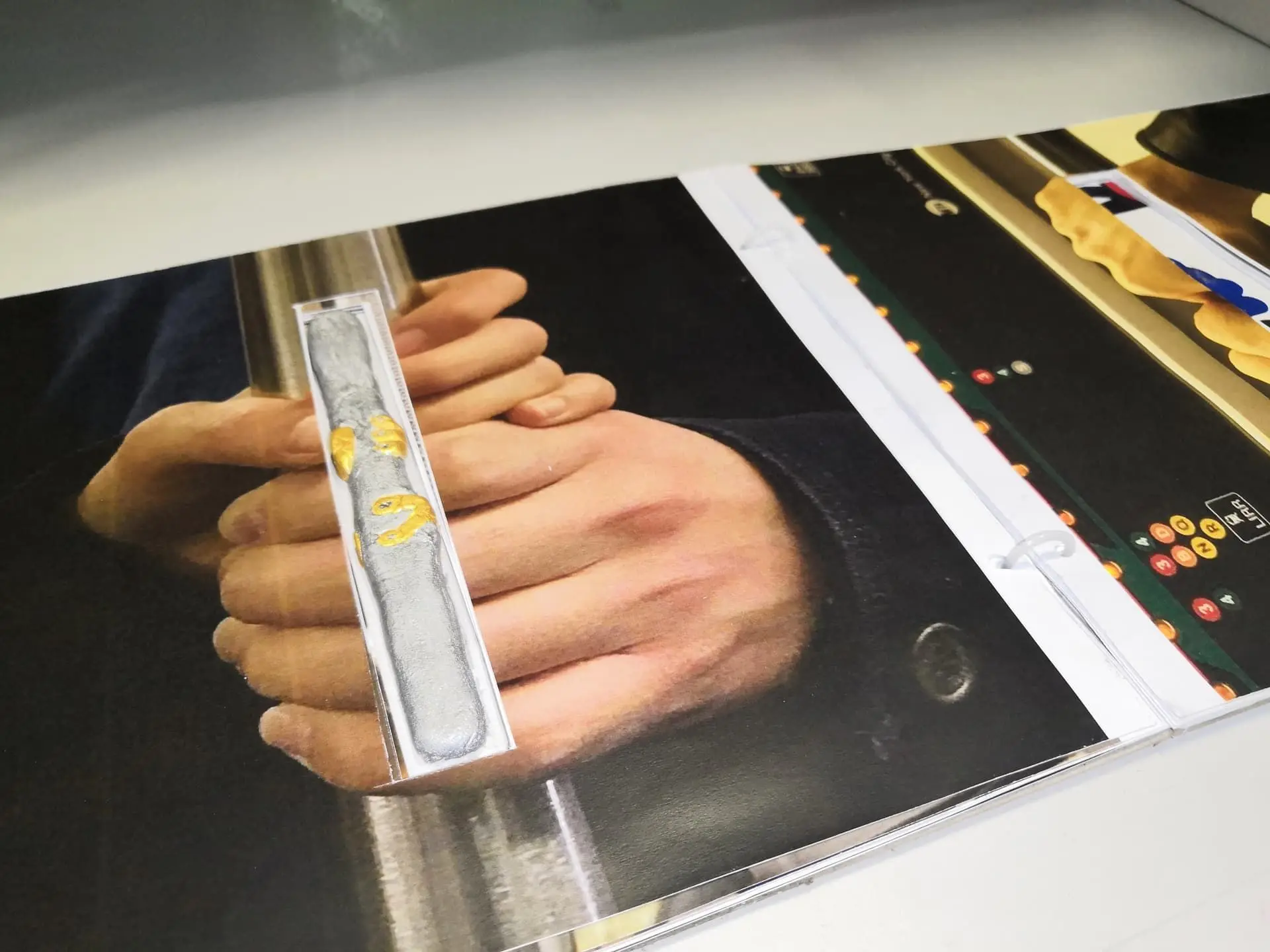
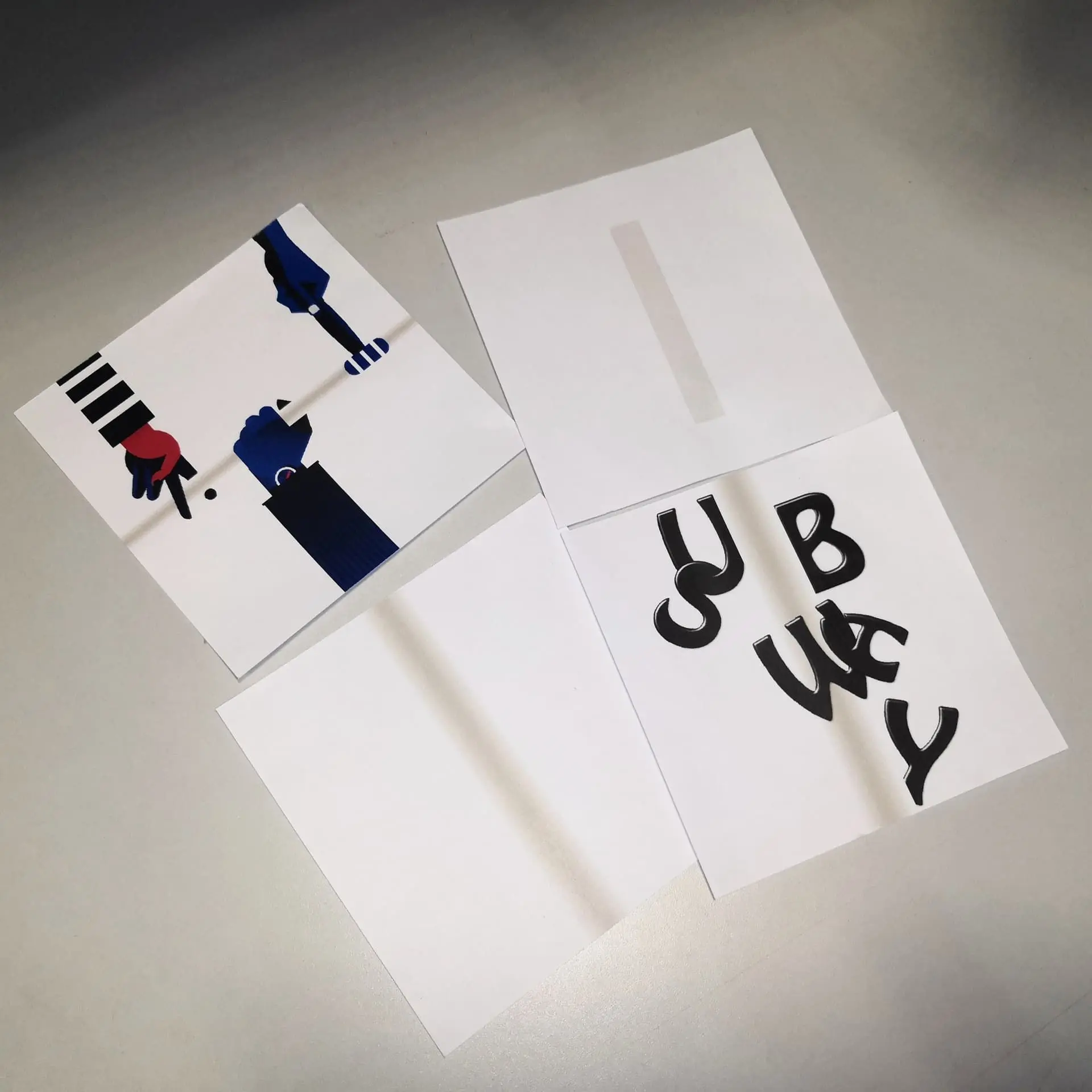
I translated the pole into the structure of the book.
确定了"地铁手"这个主题后,我开始思考:
一本书如何表达接触的感觉?
地铁扶手杆成为了核心设计元素。
它是地铁中的共享物件:手汇聚的地方,身体寻找支撑的地方,陌生人间接连接的地方。
我将扶手杆转化为书籍的结构。
Final Outcome ↓
The result is an experimental book inspired by everyday interactions in Beijing's subway. By engaging readers through both sight and touch, the project extends the observation beyond the subway itself and into the act of reading.
最终成果是一本受北京地铁日常互动启发的实验性书籍。通过同时调动读者的视觉与触觉,这个项目将观察从地铁本身延伸到了阅读行为之中。
A Letter from 2026 ↓
💌
Looking back at this project in 2026, I still value its starting point: an everyday observation turned into a design project.
2026年回看这个项目,我依然珍视它的出发点:一个日常观察转化为一个设计项目。
If I were to revisit Subway Hands today, I would spend more time in the field, take my own photographs, and explore richer tactile experiences.
Nevertheless, Subway Hands remains an important early exploration of how design can emerge from everyday observations of urban life. It also represents an interest that continues to shape my work today: observing people, places, and small moments that often go unnoticed.
如果今天重新来做《地铁手》,我会花更多时间在实地观察上,拍摄自己的照片,并探索更丰富的触觉体验。
尽管如此,《地铁手》仍然是一次重要的早期探索——关于设计如何从城市生活的日常观察中生发。它也代表着一种持续影响我至今的兴趣:观察人、观察地方、观察那些常常被忽视的细微瞬间。